
Finish fixes, by the layer
Paint Scratch Repair in Josephine, Priced by Depth
Brush along a country stretch near Farmersville, a key mark in a parking lot, a scuff from the garage wall. How deep the scratch goes decides which fix works.
(000) 000-0000 — let's gauge that scratchThe Fingernail Test and What It Tells You
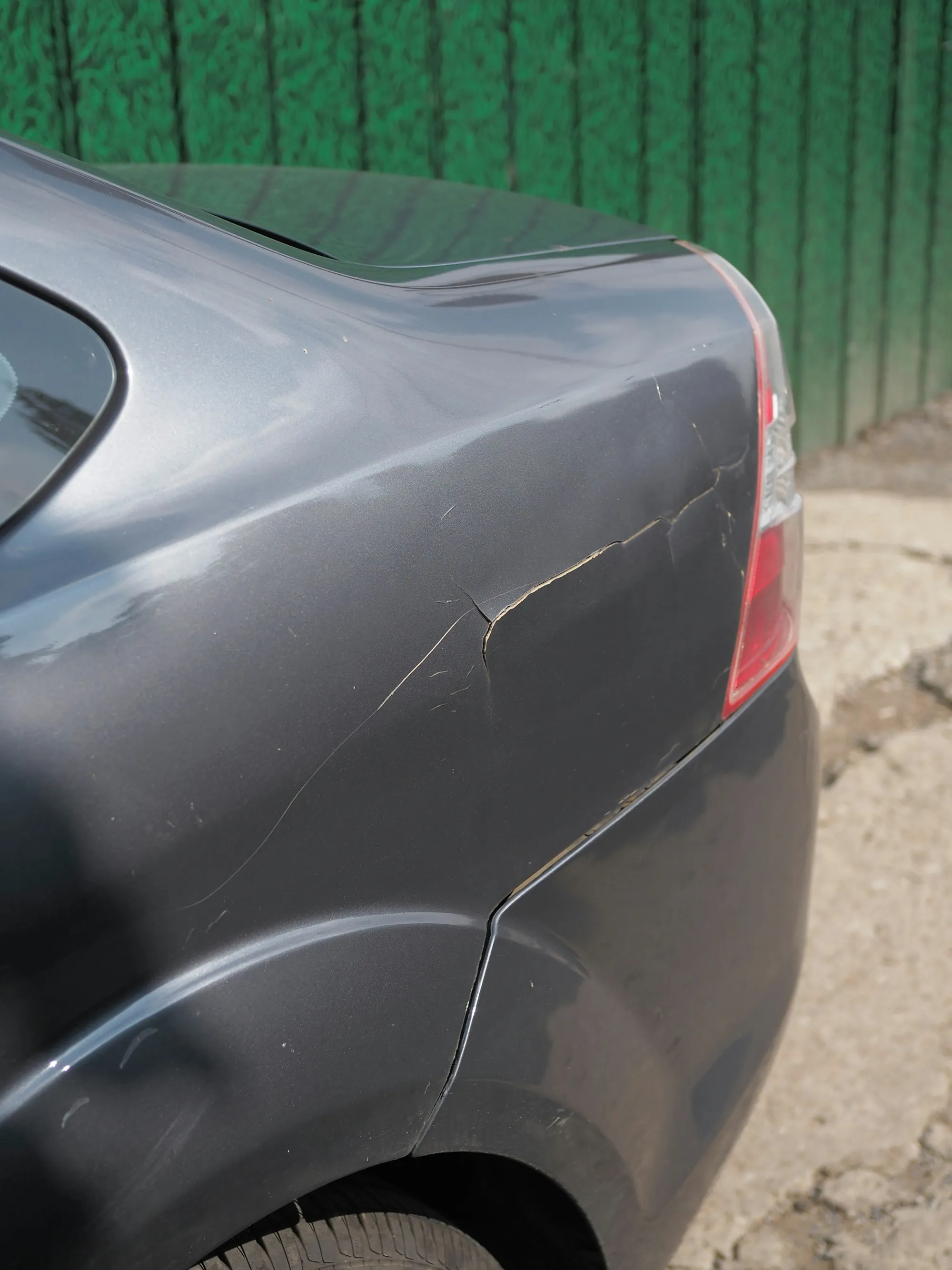
Scratch repair comes in levels, and the price climbs with each one. A mark that sits only in the top clear layer can usually be polished until it's gone. One that has cut into the color needs paint, and one that shows gray primer or shiny metal needs sealing before rust gets a foothold. The trick is knowing which level you're dealing with before you spend anything. We check the depth with a gauge and a close look under bright light, then explain each option and what it costs. We'll also tell you when a touch-up pen is a reasonable budget choice and when it would just leave a blob you'd regret.
Scratch Fixes From Light to Deep
Here's how we handle scratches at each depth, plus a few common situations.
Clear coat polish-out
Light scratches and swirls are machine polished until they're gone or close to it, without adding any paint.
Wet sanding a deeper clear scratch
Scratches a bit too deep for polish alone get carefully wet-sanded and then polished back to full gloss.
Touch-up for small chips
Rock chips and tiny nicks can be filled with matched paint. It won't be perfect up close, but it seals the spot for a modest cost.
Into the color layer
When a scratch reaches the color, we usually refinish the affected area and blend it so the repair doesn't show.
Down to bare metal
Exposed metal starts to rust. These get primed and sealed before color goes back on, even if you choose a smaller repair elsewhere.
Key marks across panels
A key mark can run across several panels. We price each one so you can decide which to repair now.
Bumper cover scuffing
A scraped corner on a plastic cover rarely means buying a new cover. Sanding, a little filler and fresh paint handle most of them.
Branch and brush lines
Driving the narrower country stretches off FM 2756 leaves thin scratches along the sides. Most come out with polishing and a little sanding.
How We Handle a Scratch
- 01
Gauge it first
First the area is washed so dirt doesn't hide anything. Then a thickness gauge reads how much clear sits above the color, which tells us how much sanding the panel can take. After that you get the workable repairs and their prices. You decide how far to go.
- 02
Correct or rebuild the finish
For clear coat damage, we sand and polish in stages until the scratch is gone. For deeper damage, we sand the area, prime any bare spots and spray matched color. Everything is blended into the surrounding finish. We check the result from several angles as we go.
- 03
Final gloss and walk-around
We bring the gloss on the repaired spot up to the shine on the rest of the panel. We look at it with you in daylight. Anything that still bugs you gets talked through before you leave.
Why We Start Small on Scratches
Polishing first when it'll work
There's no reason to repaint a panel if polishing can fix it. We try the lightest approach that will get the job done.
Touch-up explained honestly
A touch-up is a fair budget choice for small chips, and we'll tell you what it will and won't look like.
Rust is not optional
If a scratch reaches bare metal, we'll recommend sealing it no matter which option you pick for the look.
Bugged by a Scratch on Your Car?
Tell us which panel is marked and what did it, and we'll explain what it'll likely take. If a polish will do it, you'll hear that first.
Find out how deep it goes — (000) 000-0000