
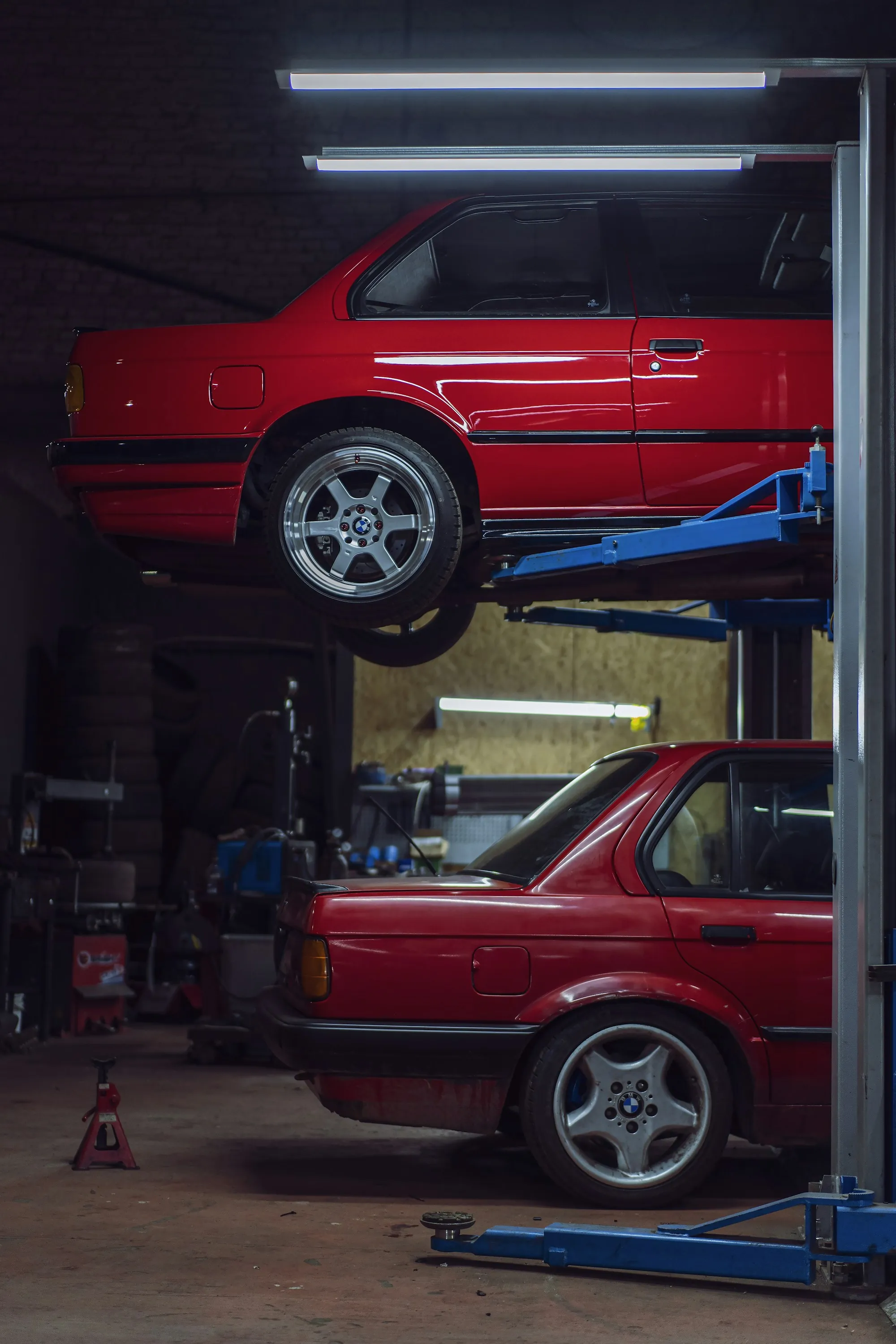
Under the skin
Frame Straightening in Josephine When the Structure Took the Hit
A steering wheel that sits crooked, a door that's hard to shut or a hood gap wider on one side after that hit on SH 66 near Caddo Mills can all point to shifted structure. We'll measure it and tell you what fixing it involves.
Find out if the frame moved — (000) 000-0000Structure Is Where We Don't Cut Corners
On most repairs there's room to choose between parts and methods. Structural work is different: the frame or unibody has to go back to factory dimensions, because that's what the airbags, crumple zones and suspension are built around. What you do get is a clear picture of how the fix will be done and what it costs. Some damage pulls back with a few careful setups on the bench, while some sections are too kinked and have to be cut out and replaced. On an older car, structural work can approach what the vehicle is worth, and we'll tell you if we think it's heading that way so you can talk with your insurer or decide whether repair is worth it. You get the measurements and the reasoning either way.
What We Check and Correct Underneath
Structural repair is mostly measuring, a careful series of pulls and plenty of rechecking. These are the pieces of it.
Before readings on the bench
The vehicle is mounted and measured at the factory reference points, so we know which points moved and how far.
Unibody versus ladder frame
Cars and crossovers use a unibody, while most pickups ride on a separate ladder frame. Each gets its own setup and its own procedure.
Small pulls, measured between
We pull in small steps and measure between each one. Rushing a pull can tear metal that would have come back.
Section replacement by the book
When a rail or apron is creased beyond what straightening can fix, we replace that section following the carmaker's cut-and-weld guidance.
Strut towers and subframe bolts
Suspension mounting points are checked, because even a slight move there turns into lopsided tire wear and a car that wanders.
Coatings put back after welding
Heat and welding burn off factory coatings. We restore cavity wax and sealers so the repaired area resists rust.
Total-loss heads-up
If the estimate is climbing toward the car's value, we tell you early. That way an insurer's decision doesn't catch you off guard.
After readings for your file
Final measurements are printed and kept with the repair record, handy paperwork for a future buyer or an adjuster with questions.
How We Put a Bent Structure Back
- 01
Read the numbers, talk them over
Your vehicle is clamped onto the measuring bench and readings are taken at each reference point. We then explain, in ordinary terms, which points shifted and by how much. We also explain whether it can be pulled, needs a section replaced, or is likely to push the claim toward a total loss. Nothing happens until you understand the plan.
- 02
Anchor, pull, measure again
The car is clamped at approved points and pulled in controlled stages. After each pull, we measure and adjust. Sections that won't come back are cut and replaced by the procedure. This part takes patience, and it's not a place we look for shortcuts.
- 03
Confirm and finish the repair
Once the readings match the factory chart, body and paint work can begin on a true structure. We check wheel alignment at the end, since that's where any leftover error shows. Both sets of readings go home with you.
Why Getting the Structure Right Pays Off
It protects the people inside
A crash-safe body relies on its rails and pillars sitting exactly where they were designed to sit, so airbags fire on cue and crumple areas fold as planned. That's the reason there's no budget version of this repair.
It protects your tires and steering
A structure that's slightly off chews through tires and makes the car drift. Fixing it properly keeps you from paying for the same problem again later.
It protects your resale
A documented, measured repair is easier to explain to the next buyer than a car that only looks straight.
Worried the Frame Got Bent?
Tell us how the car has been behaving and what happened, and we'll explain how we'd check it. If the structure moved, you'll know the options and the cost picture before anything starts.
(000) 000-0000 — have the structure looked at