
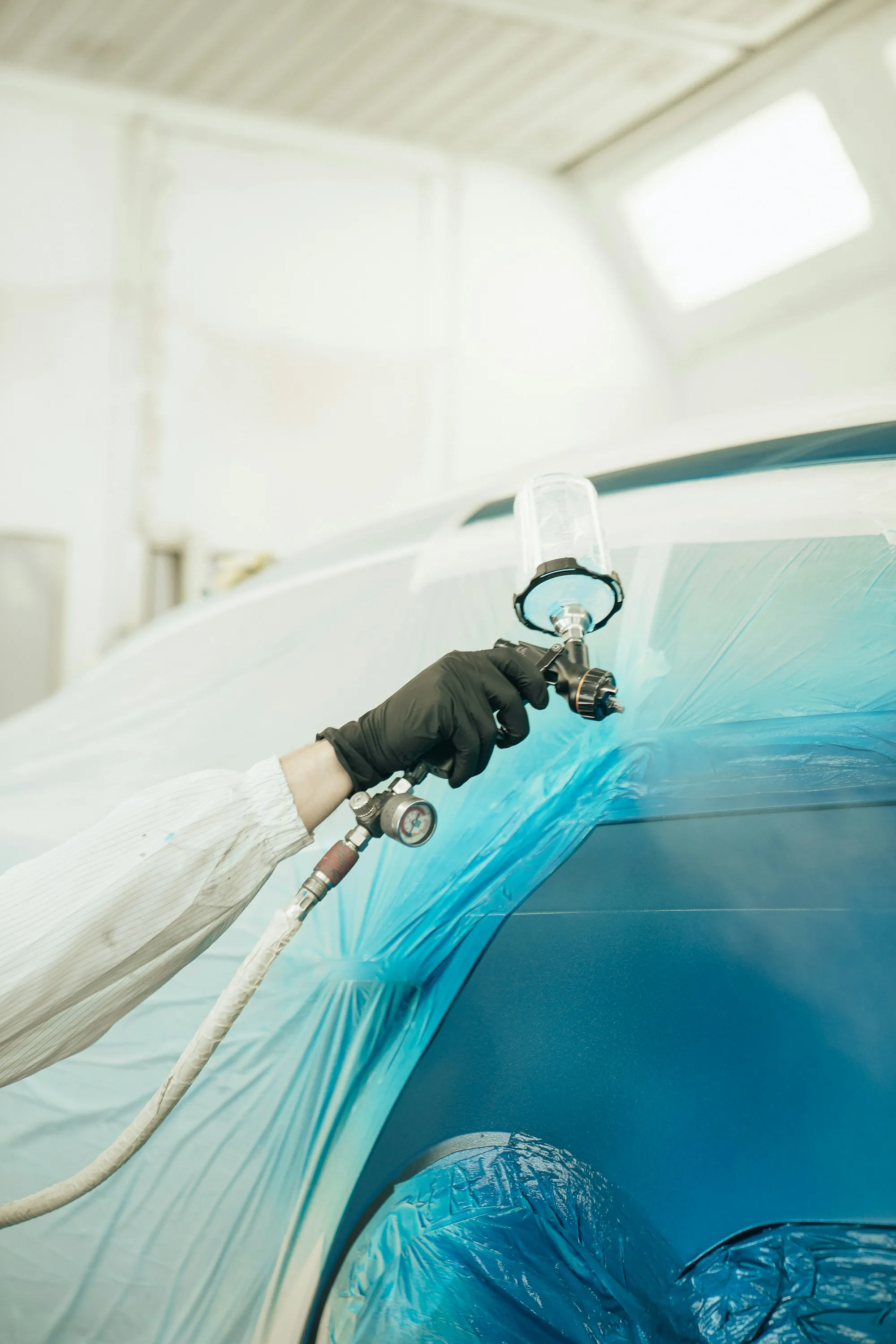
Color and clear coat
Auto Painting & Refinishing in Josephine, Sized to the Job
Faded clear coat from years of Texas sun, a repaired fender that needs color, or a whole car that's looking tired. Each calls for a different amount of paint, and a different bill.
Talk paint options — (000) 000-0000How Much Paint Does Your Car Really Need?
Paint jobs come in sizes, and the biggest one isn't always the right answer. A small scuff might only need a spot repair, a damaged fender needs the panel refinished and blended into its neighbors, and peeling clear coat across the roof and hood might call for refinishing those panels entirely. A full respray makes sense when the whole finish has failed or you're changing color. Each step up adds prep time, materials and booth time, and we'll explain what you get for it. We match color using your paint code and spray-out cards, then check it in daylight. Drivers from Josephine, Lavon and out along SH 66 bring us everything from a single bumper to a full car.
Paint Services and What Each One Covers
Here's the range of refinishing work we do, from the smallest fix to the biggest.
Spot and edge repairs
Small chips or scuffs near a panel edge can sometimes be repaired and blended in a limited area, which keeps the job small.
One panel, blended in
A repaired or replaced panel is primed, painted and cleared, then the color is feathered onto the surrounding panels until no line between old and new paint shows.
Peeling clear coat
Peeling or chalky clear coat can't be polished back. We sand those panels down and rebuild the finish properly.
Sun-baked roofs and hoods
Horizontal surfaces take the most sun. Refinishing just those can freshen a car without paying for a full respray.
Whole-car respray
When the whole finish is gone or you want a new look, we prep every panel and paint the car top to bottom.
Pearl and tri-coat colors
Layered colors take extra coats and careful test panels. We'll explain why they cost more to match before we start.
Plastic parts and trim
Bumpers, mirror caps and spoilers need flex agents and adhesion promoters so the paint doesn't crack later.
Final cut and polish
After the clear cures, we wet-sand and polish where needed so the new finish has the same gloss as the rest of the car.
Steps in a Paint Job Done Right
- 01
Decide on the scope
We look at the finish together and talk about what's bothering you. Then we explain which panels need paint, which only need a blend and which could be left alone. You get pricing on the options so you can pick the one that fits. If a smaller job will do, we'll say so.
- 02
Prep, mask and match
Prep is most of the work: sanding, repairing chips, priming and sealing. We mask everything that isn't getting paint. We mix the formula for your paint code and hold sprayed test cards against the car to compare. Only then does the car go in the booth.
- 03
Spray, cure and finish
Base color goes on in light coats, followed by clear. The paint cures before we touch it, then gets polished where needed. We put back any trim and check the color with you outdoors.
Why Our Paint Advice Is Worth Hearing
We size the job honestly
If you don't need the whole car painted, we won't push it. Sometimes two panels get you most of the way there.
Color is checked in real light
Shop lights can hide a mismatch. We check outside before calling the job done.
You know what each extra costs
Pearl colors, door jambs and color changes all add work. We explain each one so the final bill makes sense.
Ready to Talk About Your Paint?
Describe what you're seeing on the finish, and we'll explain which options make sense. Then you choose how far you want to go.
(000) 000-0000 — let's talk about your finish