
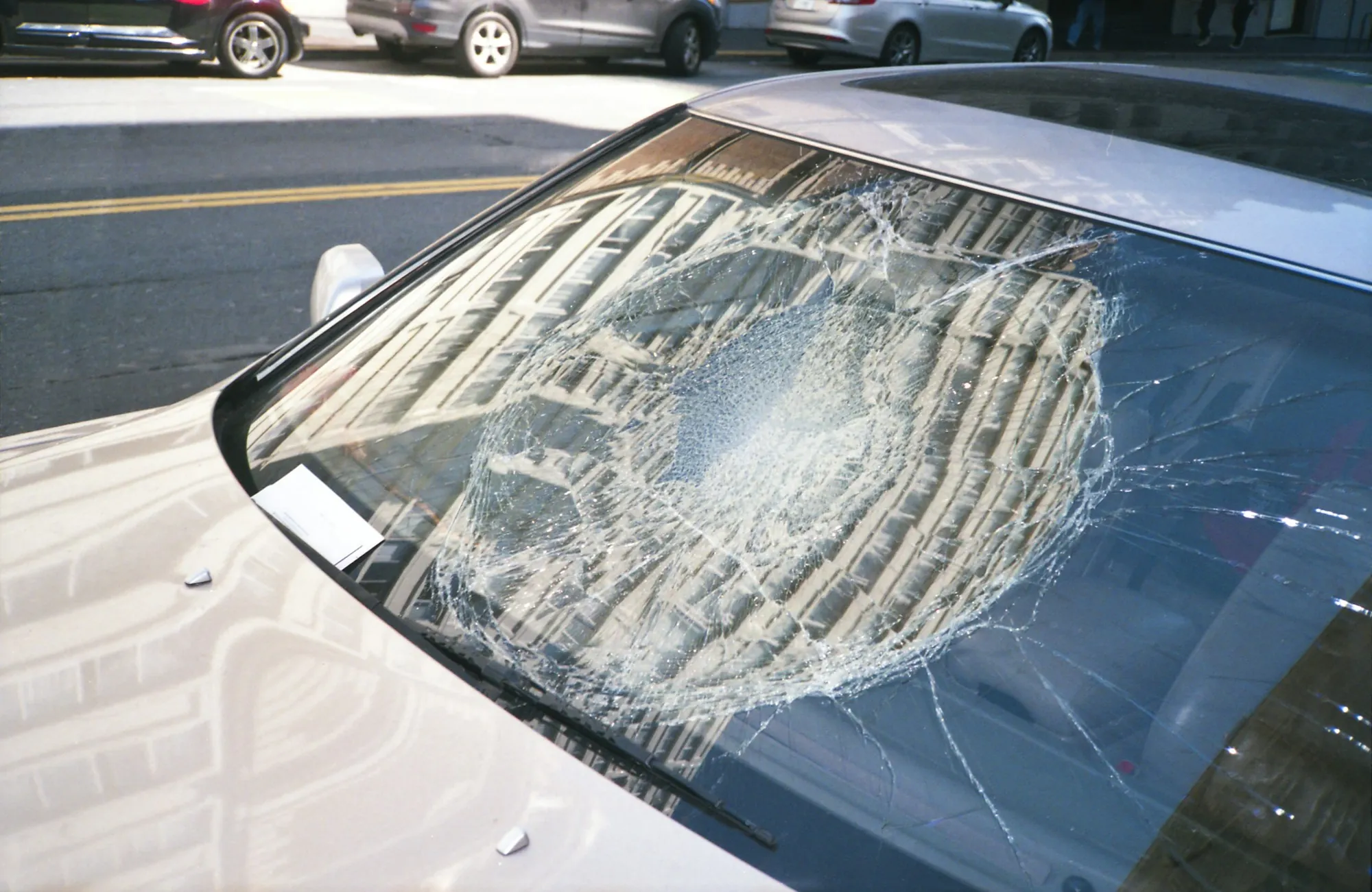
Auto glass
Windshield & Auto Glass Replacement in Josephine, Options First
Gravel trucks on FM 6 and the stretch toward Caddo Mills put plenty of rocks into windshields. Whether you need a resin fill or new glass, we explain the options before any work begins.
Describe the chip or crack — (000) 000-0000A Chip, a Crack and the Choices in Between
A small chip that hasn't spread can often be filled with resin, which keeps the original glass and its factory seal. Once a crack grows long, lands where the driver looks, or runs out to the edge of the glass, replacement is the safer call. Then comes the next choice: factory glass from the carmaker or aftermarket glass built to fit the same opening. Both can be good, but clarity, thickness and the bracket for the lane camera can vary, which matters on newer cars. We explain those differences, help you check how your policy handles glass, and let you choose. Side windows and back glass get the same plain talk.
Glass Work and What Comes With It
Replacing glass is more than swapping a part. These are the steps that keep it sealed, quiet and safe.
Checking whether a chip can be filled
Size, depth and location decide whether resin will hold. If it won't, we tell you instead of selling a fill that cracks out later.
Glass options side by side
We compare factory and aftermarket windshields for your car, including tint band, acoustic layers and where the camera bracket sits.
Careful removal of the old glass
The old urethane is cut without gouging the paint in the opening, since bare scratches there invite rust.
Prepping the metal lip
Exposed metal is primed and the leftover adhesive is cut down to a thin, even layer for the new bead to grab.
Urethane set to hold the roof
Adhesive is matched to the glass and given full cure before the car goes anywhere, because the windshield helps support the roof.
Shattered side and rear windows
Shattered door glass is vacuumed out of the panel and window tracks, and back glass is reconnected to defroster and antenna leads.
Seals and cowl panel reinstalled
Moldings and the cowl go back on, with any broken clips replaced, so wind noise and leaks stay out.
Camera re-aim after new glass
If a forward camera rides on the windshield, it's recalibrated after installation so lane and braking features see the road as designed.
From Cracked Glass to a Clear View
- 01
Show us the damage
Bring the car by or describe where the chip or crack sits. We'll tell you whether a fill is likely to hold or whether replacement is the safer move. Filing on your glass coverage, we help you sort out what your insurer needs. Paying yourself, you'll know the options before anything is ordered.
- 02
Fill or install in the shop
Chip fills are done with the glass in place. For a replacement, we remove the damaged glass, prepare the frame and seat the new piece in fresh urethane. Then it rests until the adhesive reaches its required cure.
- 03
Calibrate and check for leaks
Cars with a windshield camera get recalibrated. We water-test the edges and listen for wind noise around the moldings. Before you leave, you get a rundown of the work and when a car wash is okay.
Why Glass Work Here Is Worth It
A fill when a fill will do
We don't push a new windshield when resin will stop the chip. Keeping the factory glass and seal is often the better outcome.
Glass choices with real trade-offs
Factory and aftermarket glass both have a place. We tell you where the differences show up, especially around cameras and sensors.
Set right, not rushed
In a rollover, the windshield helps keep the roof up. That's why adhesive and cure time are never cut short.
Chip Spreading Across the Glass?
A chip filled before it spreads keeps more of your choices open. Tell us where it is and how big, and we'll explain what makes sense.
Ask what your glass needs — (000) 000-0000