
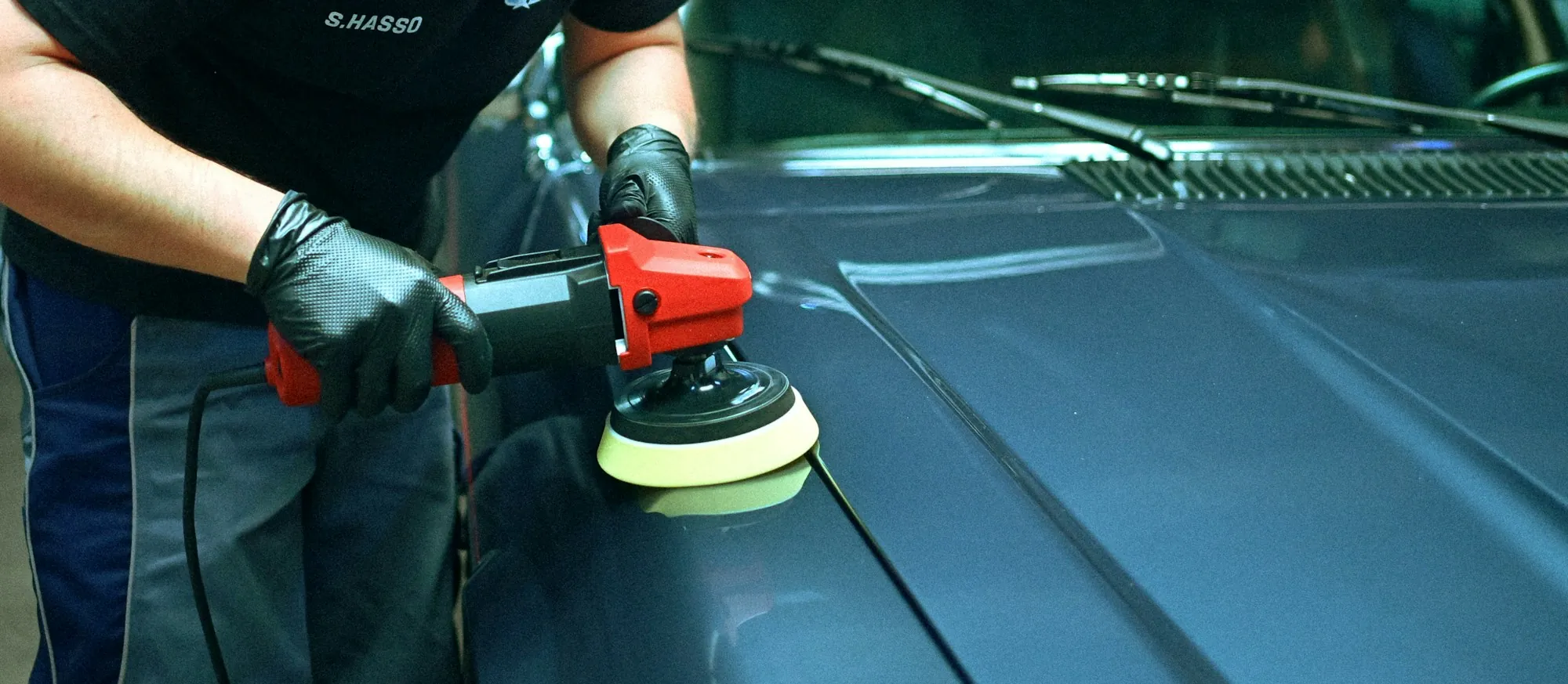
Original finish kept
Paintless Dent Repair in Josephine for Dings and Hail
When the paint isn't cracked and the metal isn't stretched, a dent can often be worked out from behind. North Texas hail and crowded lots over in Wylie make for a lot of dents.
Is it a paintless candidate? (000) 000-0000Keeping the Original Paint Has Real Value
Factory paint is baked on at temperatures a body shop can't recreate, and it's the finish your car was built with. Paintless dent repair coaxes the metal up from underneath, so that finish stays untouched. There's no filler, no primer and no color match to worry about. It isn't right for every dent, though: a split in the paint, a razor-sharp crease or metal that's been stretched thin usually means a conventional repair. We'll look at yours and tell you plainly which side of that line it's on. If it's a hail job, we'll also walk through whether filing makes sense given your deductible and how many panels were hit.
Where Paintless Repair Works Best
These are the situations where paintless methods tend to do well, plus a few notes on their limits.
Shopping cart and door dings
Small round dings from car doors and carts are the classic paintless job, as long as the paint is intact.
Hail on the roof and hood
Storms that sweep through between FM 6 and SH 78 can leave dozens of small dents across the top of a car. We map them by panel and work them out one at a time.
Gentle creases
A soft crease that hasn't stretched the metal can often be worked out. Sharper creases are a judgment call we'll explain.
Getting tools behind the panel
Some panels need a light, a trim piece or a tail lamp removed to reach behind the dent. We note what has to come off and put it back carefully.
Glue pulling from the front
Where bracing blocks access from behind, we can pull the dent from the outside with tabs and adhesive that release cleanly.
Lease return touch-ups
Dings on a lease return can mean charges at turn-in. Paintless repair is often a sensible way to deal with them beforehand.
Getting ready to sell
If you're selling, a few dings removed can make the car look better cared for without the cost of repainting.
A clear no when it won't work
If the dent needs filler and paint, we tell you up front instead of attempting it and leaving it half done.
How a Paintless Repair Goes
- 01
Check the paint and the access
A reflector board held over the dent shows its true shape, and a close look tells us whether the paint has split. Then we work out how a tool can reach behind that spot. A dent that qualifies gets a quote. If not, you hear what a filler-and-paint repair would run so the two can be weighed.
- 02
Work it out slowly
A technician uses rods and picks to push the metal from behind in many small moves. The reflector shows each high and low spot as the dent shrinks. Where needed, glue tabs pull from the front. It's slow, careful work, and patience is what gets a clean result.
- 03
Polish and inspect with you
Once the panel reads flat, any trim or lights that came off go back on. The area gets a light polish. You look at it with us under the same light we used for the repair.
Reasons to Try Paintless First
The factory finish stays
No repainted panel means nothing to fade differently or show up on a paint meter when you sell.
Often the smaller bill
Without paint, materials and booth time, a qualifying dent may come in lower than a conventional repair. We'll show you both numbers so you can see for yourself.
Hail claims explained
If you're weighing a hail claim against your deductible, we'll give you a dent count and an estimate you can take to your insurer.
Think Your Dent Might Come Out Without Paint?
Describe the ding, which side of the car it sits on and what caused it, and we'll let you know if paintless is likely. If it's not, you'll hear the alternative and what it would cost.
(000) 000-0000 — paintless or not, we'll say